Cosmetic Dentistry Bakersfield CA Treatments That Deliver Fast Results

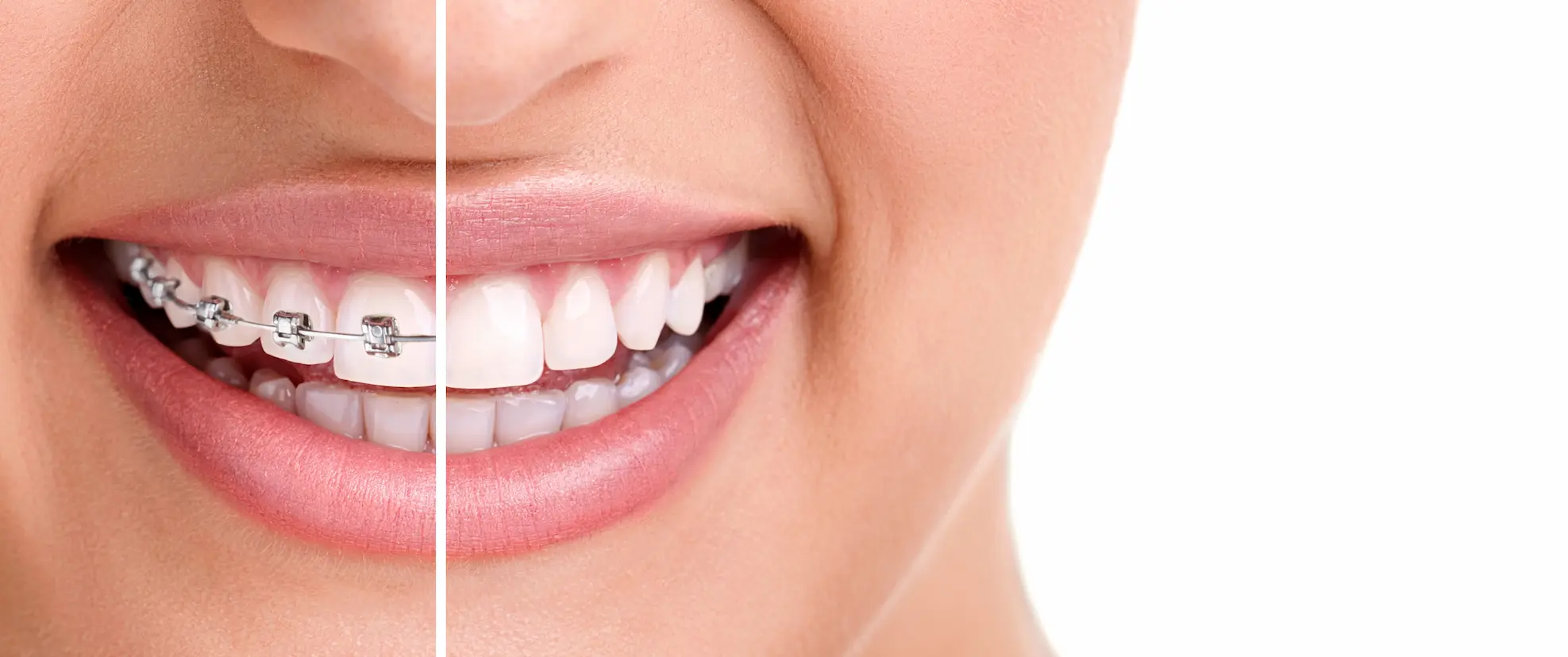
A better smile does not always require a year of appointments, metal brackets, or a major recovery period. In many cases, the biggest visual improvements happen with treatments that are surprisingly quick, especially when the concern is color, shape, spacing, or a small chip that catches the eye every time someone speaks or laughs.
That is why interest in Cosmetic Dentistry Bakersfield CA has grown so steadily. People want visible change, but they also want realism. They have jobs, school pickups, weddings on the calendar, client meetings, family photos, and budgets that do not leave much room for open-ended treatment plans. They want to know what can be done fast, what actually lasts, and where speed stops making sense.
That last part matters. Fast results are appealing, but speed alone is not the goal. The right cosmetic treatment should improve appearance without ignoring bite function, enamel health, gum condition, or long-term maintenance. A smile can look brighter in a week and still become a headache later if the diagnosis was rushed. The best cosmetic dentists know when to move quickly and when to slow down.
What “fast results” really means in cosmetic dentistry
Patients often hear the phrase and picture one appointment, one miracle, done by lunch. Sometimes that happens. More often, fast means one of three things. It may mean immediate improvement after a single visit, visible change within a couple of weeks, or a short treatment plan that delivers a strong cosmetic payoff without months of waiting.
A patient with surface stains from coffee and red wine may see a dramatic difference after professional whitening. Someone with a front-tooth chip may walk out the same day with tooth-colored bonding that looks seamless. Another person who dislikes uneven edges, old fillings, and minor spacing may need porcelain veneers, which usually take more than one visit but still transform a smile quickly compared with orthodontics or restorative reconstruction.
The main point is this: fast cosmetic dentistry is highly case-dependent. The teeth, bite, habits, and expectations all shape what can be done responsibly.
The treatments that tend to give the quickest cosmetic payoff
Some treatments consistently stand out because they create immediate or near-immediate change with limited downtime. These are the ones dentists reach for when patients say, “I have an event coming up,” or “I just want my smile to look cleaner, brighter, and more even as soon as possible.”
Professional teeth whitening
Whitening remains the simplest high-impact cosmetic treatment for many adults. If the teeth are healthy and the discoloration is the kind that responds well, usually surface or age-related staining, whitening can make a smile look refreshed in a very short window.
In-office whitening is often the fastest route. A single visit can noticeably brighten the teeth, sometimes by several shades, though exact results vary with enamel thickness, stain type, and starting color. Bakersfield patients who drink coffee daily or use tobacco often notice a strong improvement, but it is worth saying plainly that not every stain behaves the same way. Gray discoloration, certain antibiotic-related staining, and darkening after trauma can be stubborn. Those cases may need veneers, bonding, or internal bleaching instead.
Take-home professional trays also work well, often over one to two weeks. They are not as instant as chairside whitening, but they give patients more control and can be gentler for those prone to sensitivity.
A common issue I have seen is unrealistic shade expectations. Some people want the kind of paper-white smile they see in heavily edited photos. Natural enamel has variation. The best whitening results look bright, clean, and believable, not flat and opaque.
Dental bonding for chips, gaps, and shape issues
If I had to name the treatment with the best “walk in bothered, walk out relieved” ratio, bonding would be near the top. Cosmetic bonding uses tooth-colored composite resin to repair small chips, close minor gaps, smooth irregular edges, or improve the shape of a tooth. In the right hands, it is subtle and effective.
Bonding is especially useful for patients with one or two front teeth that draw attention for the wrong reason. A tiny corner chip can make a person feel self-conscious every time they smile, even if nobody else would call it severe. Restoring that contour in one appointment can have an outsized emotional effect.
It is also conservative. In many cases, little or no tooth structure needs to be removed. That is one reason dentists often recommend bonding before jumping to veneers for modest defects. The trade-off is durability and stain resistance. Bonding is excellent for the right case, but it is not porcelain. It can chip, wear, or pick up stain over time, especially in patients who bite pens, clench, or drink a lot of coffee.
Porcelain veneers
Veneers are not same-day in most practices, but they belong in any discussion of fast cosmetic dentistry because they can correct multiple issues at once in a short treatment sequence. Color, shape, size, mild spacing, worn edges, and minor alignment concerns can all improve dramatically with veneers.
That efficiency is what attracts many patients. Instead of whitening, orthodontics, contouring, and repeated bonding repairs, veneers can create a coordinated result in a matter of weeks. That does not mean they are a shortcut for every smile. Good veneer cases are selected carefully. Teeth should be healthy, gums stable, and bite forces understood. A patient who grinds heavily or has active gum disease needs those issues addressed first.
The difference between beautiful veneers and obvious veneers usually comes down to planning. Shade selection, translucency, edge shape, and facial proportions matter. So does restraint. The most natural cases rarely look bulky or ultra-opaque. They look like the patient was simply born with better teeth.
Enamel contouring and recontouring
For very small shape problems, enamel contouring can produce immediate cosmetic refinement. A dentist may smooth a rough edge, soften a slightly pointed tooth, or rebalance length differences that make the front teeth look uneven.
This treatment sounds minor, and it is, but minor changes can read as major when they affect the smile line. It often works well in combination with bonding or whitening. The key limitation is enamel thickness. There is only so much tooth that can be safely reshaped. Overdone contouring is a problem because enamel does not grow back.
Clear aligners for patients who need a short course
Orthodontic movement is not typically sold as a fast fix, and fairly so, but some adults are surprised to learn that mild relapse or small front-tooth crowding may respond to a limited clear aligner plan much faster than they expect. This is not the treatment for a next-week event, but it may still qualify as relatively quick when the problem is tooth position rather than color or contour.
A patient who had braces years ago and now has slight lower crowding or one rotated upper incisor may get noticeable improvement in a few months. That is not instant gratification, but compared with comprehensive orthodontics, it can be efficient. It also solves the actual problem instead of masking it.
Which treatment is fastest for which problem?
The answer depends less on the patient’s schedule and more on the nature of the defect. Cosmetic dentists think in terms of cause, material, and longevity. A yellow smile is not treated the same way as a chipped edge. A dark tooth after trauma is not the same as tea staining. Slight spacing is not the same as a collapsed bite.
Here is a practical way to think about common concerns:
- If the main issue is discoloration on otherwise healthy teeth, whitening is usually the fastest place to start.
- If the problem is a small chip, minor gap, or one misshapen tooth, bonding often gives the quickest direct fix.
- If multiple front teeth have combined problems involving color, shape, and wear, veneers may provide the strongest overall result in the shortest complete plan.
- If the concern is subtle unevenness, contouring can refine the smile in a single visit.
- If the root issue is alignment, limited orthodontics may be slower up front but more honest and stable in the long run.
That kind of matching process is where skill shows. Quick treatment is easy to advertise. Choosing the right quick treatment is harder.
Why some “fast” cosmetic cases should not be rushed
A common mistake in cosmetic dentistry is focusing on the photograph instead of the person. Teeth do not exist in isolation. They function inside a bite, under muscle force, in an environment shaped by saliva, diet, breathing habits, and gum health.
I have seen cases where a patient wanted veneers because of short front teeth, but the real problem was years of clenching. If you simply place porcelain without managing the grinding, the cosmetic work may chip or wear prematurely. I have seen patients ask for whitening when a front tooth was actually darkening after old trauma, which whitening alone would not solve. I have seen bonding used to close gaps without checking tongue posture or bite pressure, leading to repeated breakage.
The fastest smart treatment starts with a real exam. That includes photographs, x-rays when needed, bite evaluation, and a conversation about habits. Do you grind at night? Are your teeth sensitive? Do your gums bleed? Have you had old bonding pop off before? Those details change the plan.
Bakersfield patients often ask about downtime and comfort
Most quick cosmetic procedures are easier than people expect. Whitening may cause Cosmetic Dentistry Bakersfield CA temporary sensitivity. Bonding usually requires little recovery, often none beyond avoiding stain-heavy foods for a short period if polishing or whitening was done the same day. Veneers can involve a period with temporary restorations and some adjustment to the feel of the teeth, but modern protocols are generally manageable for most patients.
Lifestyle still matters. Bakersfield’s long sunny days, social events, professional networking, and outdoor schedules mean many adults want treatments that fit around work rather than disrupt it. Same-week smile improvements appeal to teachers, real estate professionals, medical staff, sales teams, and anyone who spends the day face to face with people.
That said, speed should not pressure a patient into overtreatment. If a wedding is ten days away and the best biological option is conservative bonding now with a larger plan later, that is often better than forcing a veneer case before proper planning is complete.
The cost question, and where “fast” can get expensive
Quick cosmetic treatment spans a wide price range. Whitening is generally the most affordable entry point. Bonding often sits in a middle range, depending on the number of teeth and complexity. Veneers are a bigger investment, though they can address several problems at once and may reduce the need for repeated patchwork repairs.
Cost should be weighed against maintenance and longevity, not just the immediate fee. A lower-cost treatment that needs frequent touch-ups may end up costing more over time. On the other hand, paying for porcelain when simple bonding would achieve the desired result is not wise either.
Patients sometimes assume the pricier option is always better. It is not. Better means appropriate. A college student with one chipped front tooth may be far better served by conservative bonding than by two veneers. An executive with several worn, mismatched front teeth and old discolored fillings may save time and frustration by doing veneers once rather than chasing repairs.
How long results usually last
No cosmetic treatment is maintenance-free. Teeth live in a tough environment. They endure chewing pressure, acidic foods, temperature changes, nighttime clenching, and years of daily habits.
Whitening fades gradually, especially with coffee, tea, red wine, curry, tobacco, and inconsistent hygiene. Many patients maintain the result with periodic touch-ups. Bonding can last several years, sometimes longer, but edge wear and staining are common over time. Veneers often hold up very well when planned properly and protected, though they are not immune to fracture or gum changes.
A night guard is one of the most overlooked tools in cosmetic longevity. Patients who invest in smile work and grind in their sleep should take this seriously. I have watched excellent cosmetic cases stay beautiful for years because the patient wore a guard faithfully. I have also watched avoidable chips happen because someone assumed it was optional.
Choosing the right provider matters more than choosing the trend
The local search for Cosmetic Dentistry Bakersfield CA can bring up a long list of practices, each promising stunning transformations. Marketing is easy. Diagnosis is not. The right dentist will talk as much about limitations as benefits. They will explain what a treatment can and cannot do, show similar cases, and describe maintenance without sugarcoating it.
There are a few signs that a consultation is grounded in substance rather than sales. A dentist who examines your bite before discussing veneers is thinking long term. A dentist who tells you bonding is enough when a more expensive option is available is usually showing restraint. A dentist who asks about your timeline but refuses to cut corners for a deadline is protecting your outcome.
You should also pay attention to how treatment plans are communicated. Good cosmetic dentists are specific. They discuss shade, shape, symmetry, gum display, and how the smile fits the face. They do not just say, “We can make them perfect.” Perfection is a poor clinical term. Harmony is better.
A few practical questions worth asking at your consultation
Most patients feel more confident when they know what to ask before saying yes to treatment. These questions tend to separate a thoughtful plan from a rushed one:
- What is the most conservative way to get the result I want?
- How long should I expect this option to last in a case like mine?
- Will this treatment change the structure of my natural teeth permanently?
- What maintenance or touch-ups are likely over the next few years?
- If I grind, clench, or have sensitivity, how does that affect the plan?
Those questions are especially useful when comparing bonding and veneers, or whitening and restorative options. They bring the discussion back to biology, longevity, and daily life.
The best fast result is one that still looks good six months later
There is a particular kind of disappointment that happens when a patient gets a quick cosmetic fix that photographs well on day one but starts to feel rough, stain, chip, or look unnatural a few months later. That kind of result usually comes from haste, poor planning, or using the wrong material for the job.
The strongest cosmetic outcomes balance immediacy with judgment. Whitening should be done on teeth and gums healthy enough to tolerate it. Bonding should be shaped to the bite, not just the mirror. Veneers should serve the face, not overwhelm it. Even tiny contouring changes should respect enamel limits.
For patients exploring Cosmetic Dentistry Bakersfield CA, the good news is that fast improvement is often realistic. A brighter smile, a repaired chip, smoother edges, closed micro-gaps, or a more balanced front tooth can often happen much sooner than people think. The better news is that speed and quality do not have to be opposites, provided the diagnosis is careful and the treatment matches the actual problem.
When cosmetic dentistry works well, people do not always notice what changed. They notice that your smile looks healthier, cleaner, more relaxed, more like the version of you that you had in mind all along. That is usually the right target. Not a dramatic reveal for its own sake, but a smart, timely improvement that fits your face, your schedule, and your life.
Toothworks of Bakersfield, Dentist and Orthodontist
Address: 1030 H St #1, Bakersfield, CA 93304
Phone number: +16613239421
FAQ About Cosmetic Dentistry Bakersfield CA
What is considered cosmetic dentistry?
Cosmetic dentistry includes any dental treatment focused primarily on improving the appearance of your teeth, gums, or bite rather than treating a disease or restoring basic function.
How much does cosmetic dentistry usually cost?
The cost of cosmetic dentistry typically ranges from a few hundred dollars for minor touch-ups to over $20,000 for a comprehensive smile makeover, depending entirely on the specific procedure, materials used, and how many teeth are treated. Because most cosmetic treatments are elective, they are usually paid out of pocket without insurance coverage.
Is there a difference between a regular dentist and a cosmetic dentist?
Yes, a regular dentist focuses on your overall oral health and preventing disease, while a cosmetic dentist focuses on improving the look of your smile.